
What Does an Esthetician Do? And How Estheticians Differ From Dermatologists
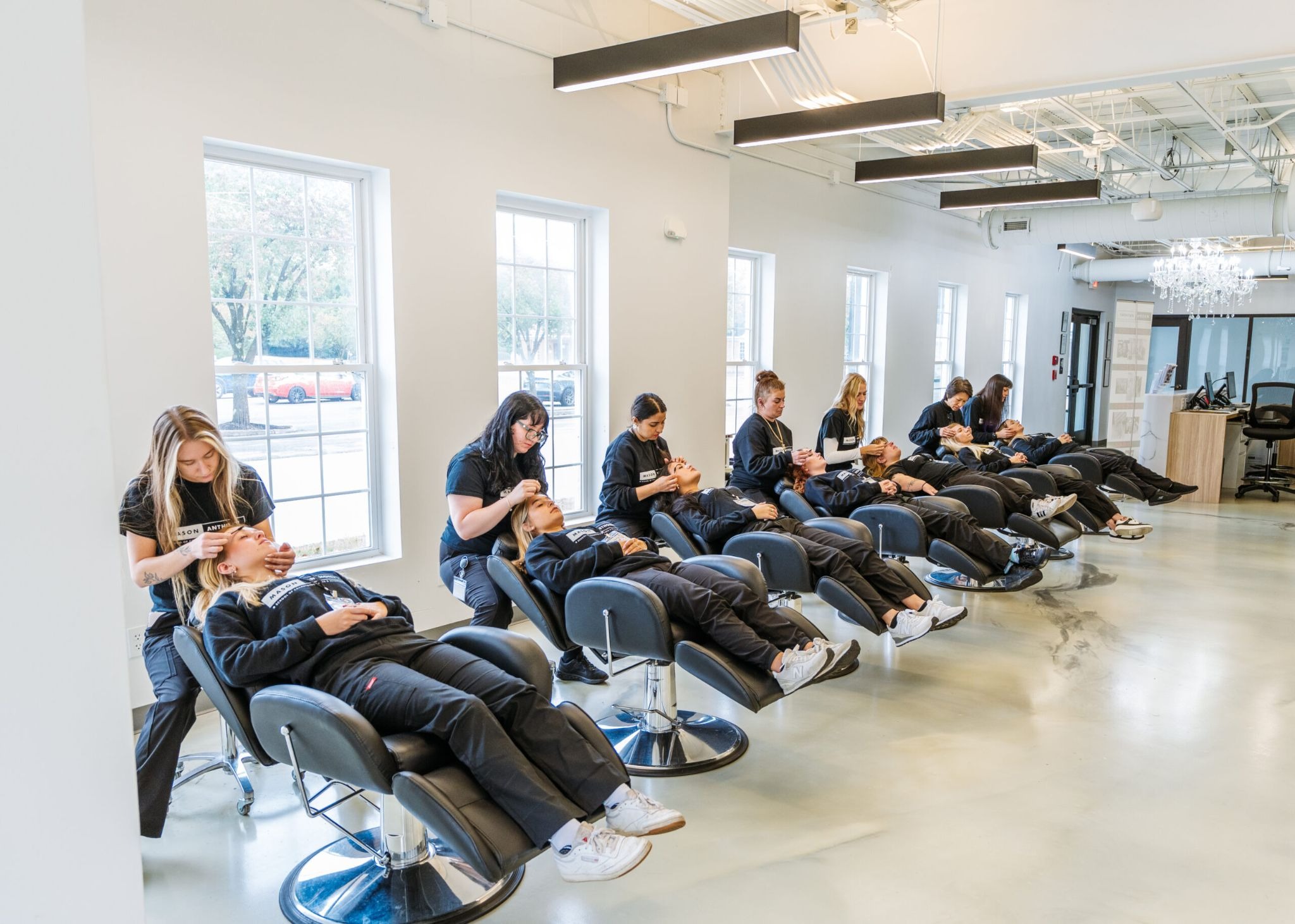
Skincare is one of the fastest-moving parts of the beauty world, and estheticians are at the heart of it. Still, many people aren’t sure what the job looks like day to day. So, what does an esthetician do? In short, estheticians are licensed skin care professionals who help clients look and feel their best. Their work blends skill, product know-how, and real care for each client. This guide breaks down common esthetician services, where estheticians work, and how the role differs from a medical esthetician or a dermatologist.
What Is an Esthetician?
An esthetician is a licensed pro who cares for the surface of the skin. In Ohio, estheticians are licensed by the Ohio State Cosmetology and Barber Board. Under Ohio law, the practice of esthetics covers skin care and facial services, body treatments, hair removal, and eyelash extension services.
Estheticians focus on beauty, relaxation, and gentle, non-invasive care. That focus shapes the services they offer and the products they suggest.
What Does an Esthetician Do Day to Day?
No two days look exactly alike, but most estheticians spend their time on a core set of services. These include:
- Skin consultations: Estheticians review each client’s skin type, concerns, and routine before recommending a treatment plan.
- Facials: Customized facials cleanse, exfoliate, and hydrate the skin, often paired with massage and masks.
- Exfoliation treatments: Services like microdermabrasion, dermaplaning, and light chemical peels smooth and brighten the skin’s surface.
- Waxing and hair removal: Facial and body waxing are among the most requested esthetician services.
- Lash and brow services: Lash lifts, tints, and brow lamination help clients frame their features.
- Product guidance: Estheticians help clients build at-home routines that extend the results of each treatment.
Beyond hands-on work, estheticians manage bookings, keep treatment notes, and follow strict cleaning rules. Many also build a personal brand on Instagram to grow a loyal client list.
Where Do Estheticians Work?
Esthetics offers a wide range of work settings. Estheticians work in:
- Day spas and resort spas
- Hair and full-service salons
- Medical spas
- Dermatology and plastic surgery offices
- Skincare and makeup retail
- Their own studios or suites
Each setting has its own pace and clients. For example, a resort spa leans toward relaxation. A medical spa, on the other hand, often focuses on results.
Esthetician vs. Medical Esthetician vs. Dermatologist
These three titles often get mixed up. However, each role has a clear scope.
Esthetician
A licensed esthetician works on the outer layer of the skin. Ohio rules limit exfoliation to that surface layer. Estheticians also may not perform services that damage or alter living cells, and they don’t diagnose medical conditions.
Medical Esthetician
“Medical esthetician” or “aesthetician” usually means an esthetician who works in a medical setting, like a dermatology office or medical spa. Ohio doesn’t issue a separate medical esthetician license. Even under a physician’s supervision, an Ohio esthetician stays within the esthetics scope of practice. In these settings, medical estheticians often handle skin analysis, pre-treatment prep, and aftercare guidance.
Dermatologist
A dermatologist is a medical doctor with years of medical school and residency training. Dermatologists diagnose and treat skin conditions like eczema, psoriasis, and skin cancer. They can also prescribe medication and perform surgery.
In other words, estheticians focus on skin care and appearance, while dermatologists treat skin disease. The two roles often work side by side, and many dermatology offices rely on estheticians to support their patients.
Skills That Set Great Estheticians Apart
Training is only part of the picture. The best estheticians also bring:
- A strong understanding of skin types, conditions, and ingredients
- A gentle, confident touch and attention to detail
- Clear communication and a calm, welcoming presence
- A commitment to cleanliness and safety
- Business and marketing skills to build a client base
Is Esthetics a Good Fit?
Esthetics tends to suit people who love skin care and enjoy working one on one. It’s hands-on work, so a steady hand and good focus help. Strong people skills matter just as much. Clients often share a lot during a facial, and a warm, calm presence keeps them coming back. Finally, it rewards curiosity. New products and tools come out all the time, so the best estheticians never stop learning.
How Mason Anthony Prepares Future Estheticians
At Mason Anthony, the 600-hour esthetics program pairs classroom learning with hands-on practice. Students train in skin analysis, chemical peels, microdermabrasion, dermaplaning, waxing, lash lifts and tints, and brow lamination. Along the way, they also learn business operations, marketing, and clienteling, so they graduate ready to build a career. Plus, full-time day, part-time day, and part-time evening schedules make it easier to fit training around work and family.
For a deeper look at advanced services, this guide to microneedling, microblading, and microdermabrasion breaks down three popular treatments. And for anyone ready to take the next step, the post on how to become an esthetician walks through the path to licensure.
Esthetician FAQs
Is an esthetician the same as a cosmetologist?
No. Cosmetologists train across hair, skin, and nails, while estheticians specialize in skin care. Esthetics programs go deeper into skin care in less time.
Can estheticians treat acne?
Estheticians can offer facials and exfoliation services that support clearer-looking skin. However, they can’t diagnose or medically treat acne, so clients with persistent or severe acne should see a dermatologist.
What does an esthetician do in a medical spa?
In a medical spa, estheticians often handle facials, peels, and skin analysis. They also help prep clients before medical treatments and guide them through aftercare.
How long does it take to become an esthetician in Ohio?
Mason Anthony’s 600-hour program takes about five to six months full time or 12 to 13 months on the part-time evening schedule.
Explore a Career in Esthetics
So, what does an esthetician do? They help people feel confident in their skin through expert care, smart product tips, and a personal touch. The role offers creativity, flexibility, and a wide range of work settings. It also comes with a clear scope that sets it apart from medical esthetics and dermatology. For anyone who loves skincare and connecting with people, esthetics can be a rewarding path. Schedule a tour today to see an esthetics class at Mason Anthony in action.